Close Coupled or Reduced Moment Couplings

About Close-Coupled or Reduced Moment Couplings
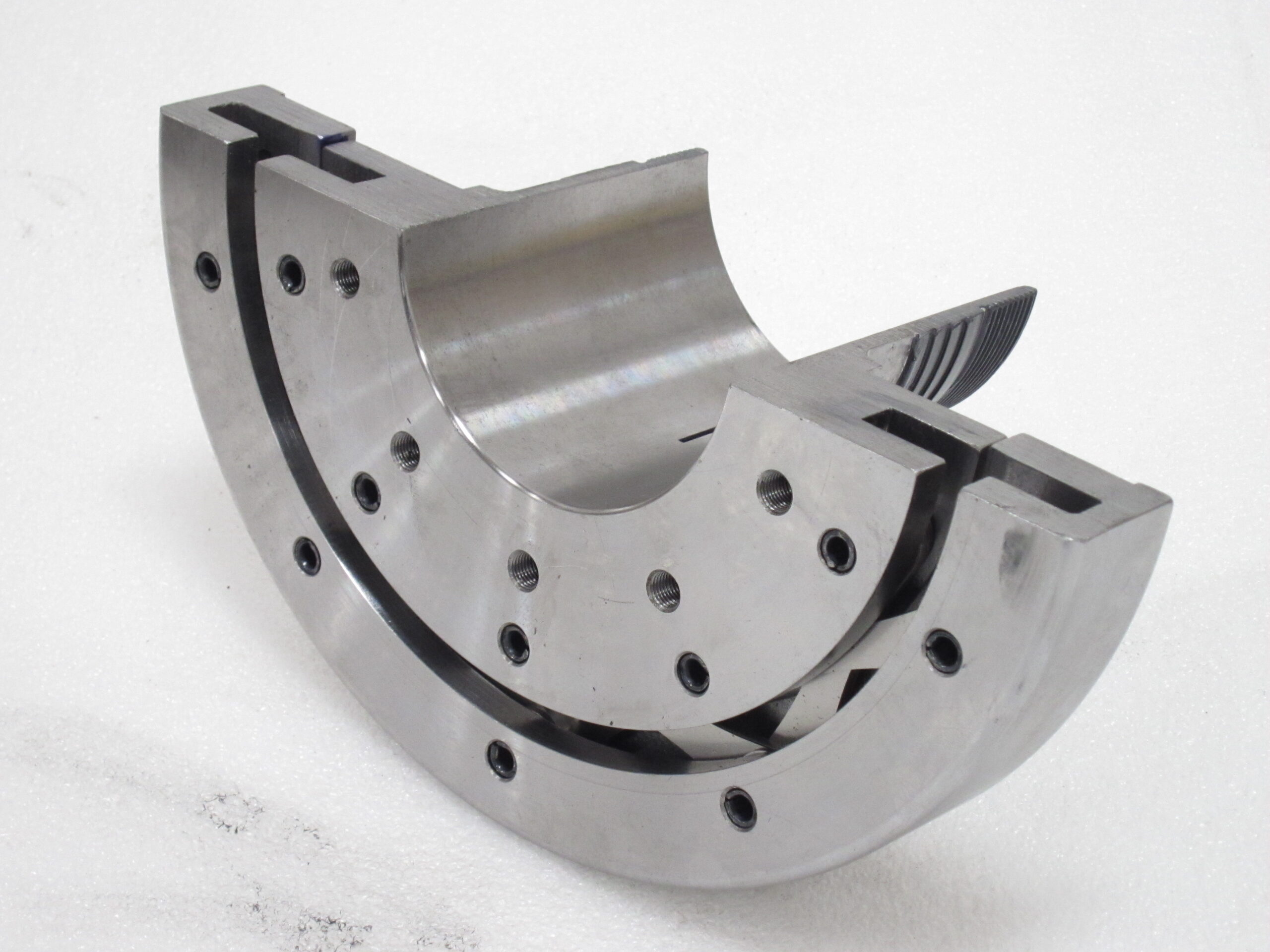
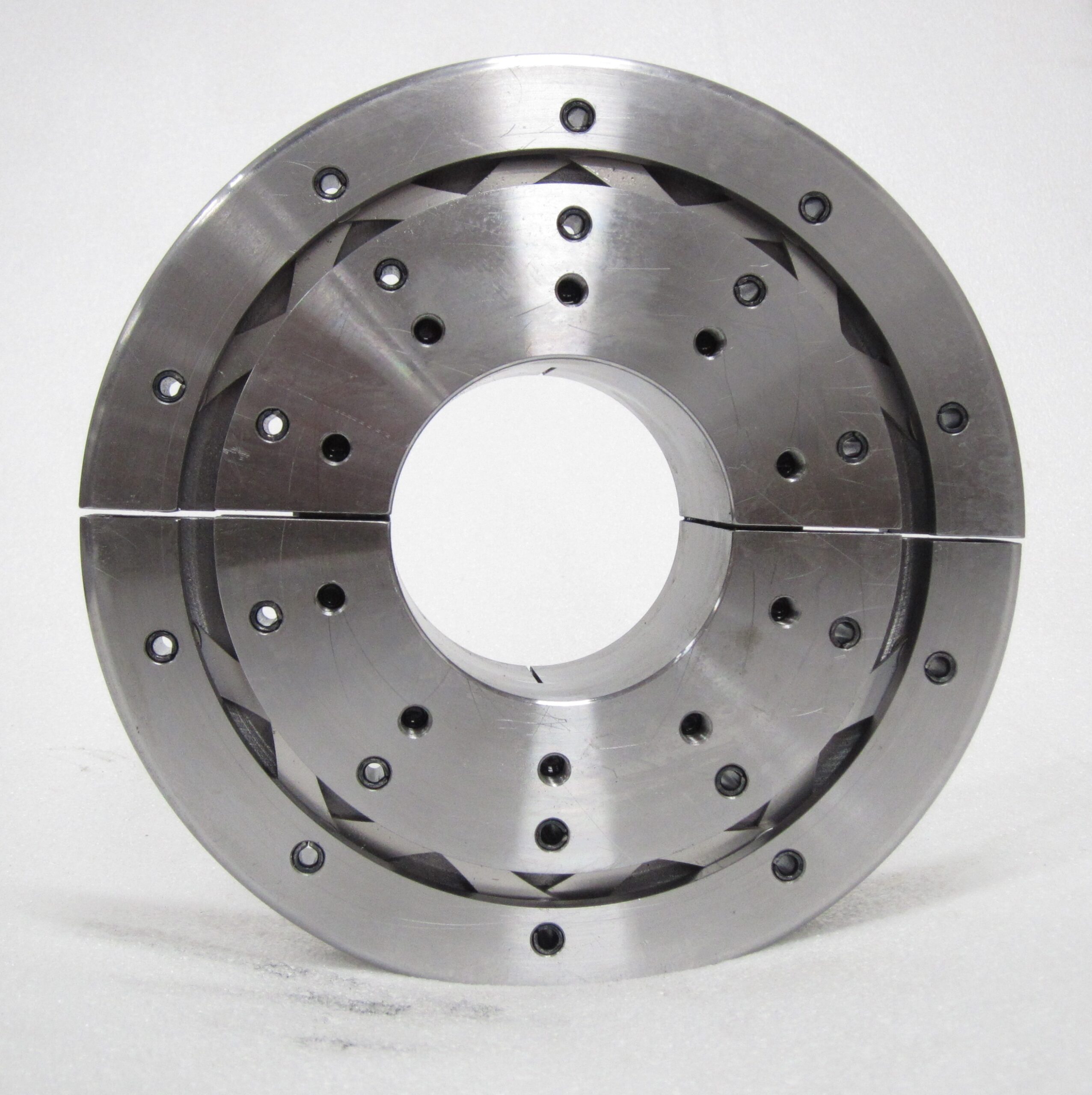
CCA offers several Close-Coupled coupling designs to address common challenges in coupling applications. Typically, the flexible members are positioned further back on the shafts to increase the distance between the flex planes. Normally, the ends are joined with a split sleeve so the machines can be connected without moving the equipment.
In many applications, the distance between the driving and driven machines is very small. There could be many reasons, but, generally, it is due to lack of floor space. These applications may not accommodate a normal spacer coupling design. The spacer coupling may fit, but the distance between the flexible hinges would be very short, which reduces the offset misalignment capability of the coupling.
Split Sleeve Close-Coupled Coupling
There are generally two sleeve configurations used in close-coupled couplings. The first is where the sleeve is split axially into two pieces. The other option is to split the sleeve perpendicular to the rotating axis and add a flange somewhere in the middle of the coupling. In this case, the sleeve could be in two or three pieces. There are several factors that help determine which configuration is best – speed, spacing, installation/removal geometry, bolt access, etc.
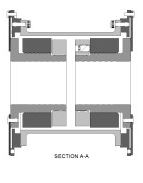
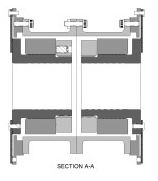
These pictures show an example of a close-coupled coupling with an axially-split sleeve. The first shows half of the sleeve removed, and the second shows the full sleeve in place.
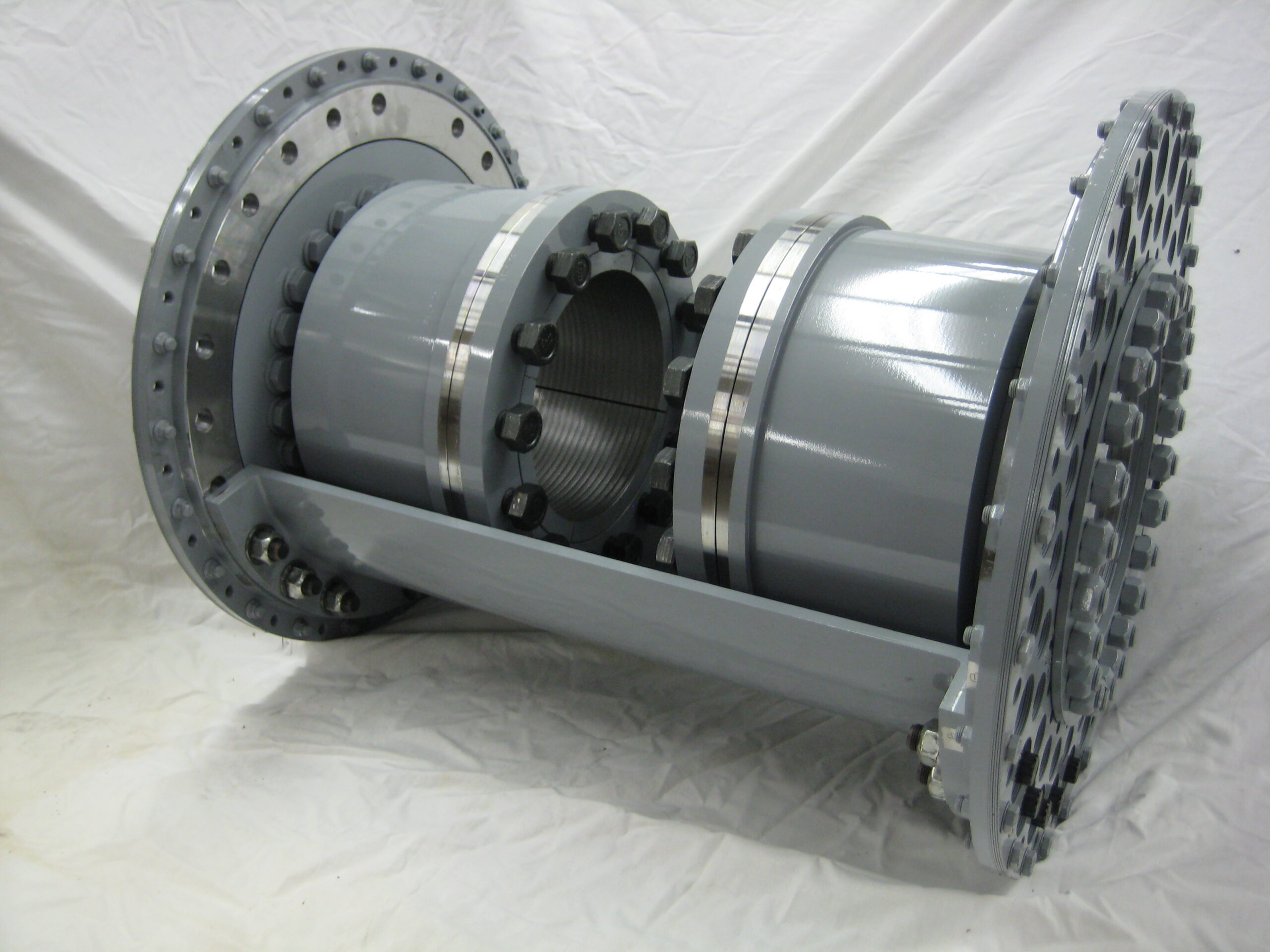
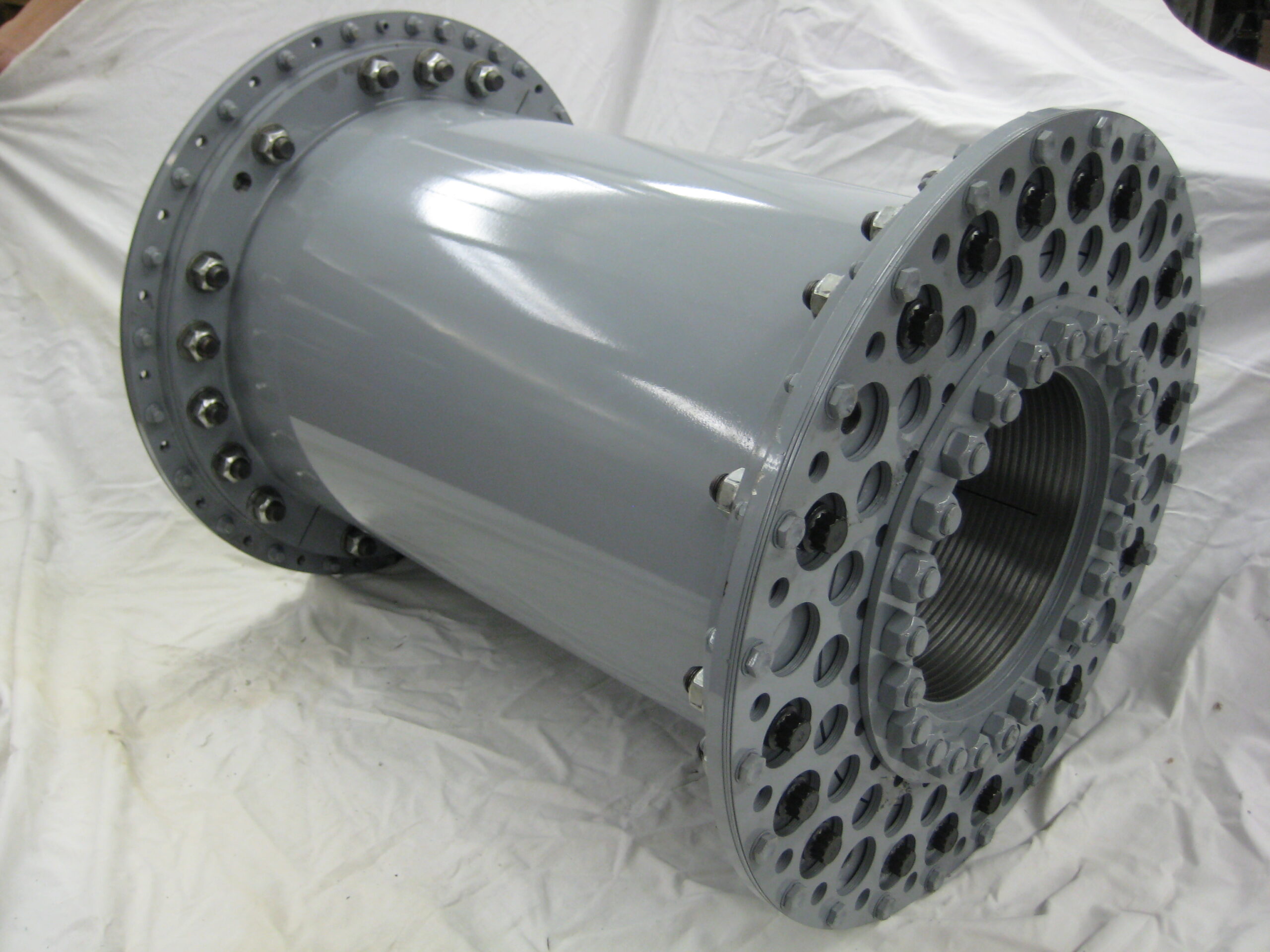
In some cases, it might be virtually impossible to move either piece of rotating machinery, which can make installing a new coupling extremely difficult. Coupling Corporation has a solution – a coupling that can be completely split in half. Even the Anderson Clamp Hub is divided into two halves.